HVAC stands for Heating, Ventilation, and Air Conditioning. It's the catch-all industry term for any system that controls indoor temperature and air quality. In New Zealand residential, "HVAC" usually means a heat pump (or several), sometimes paired with a ventilation system and a smart controller. That's it. The acronym sounds technical, but the concept is simple.
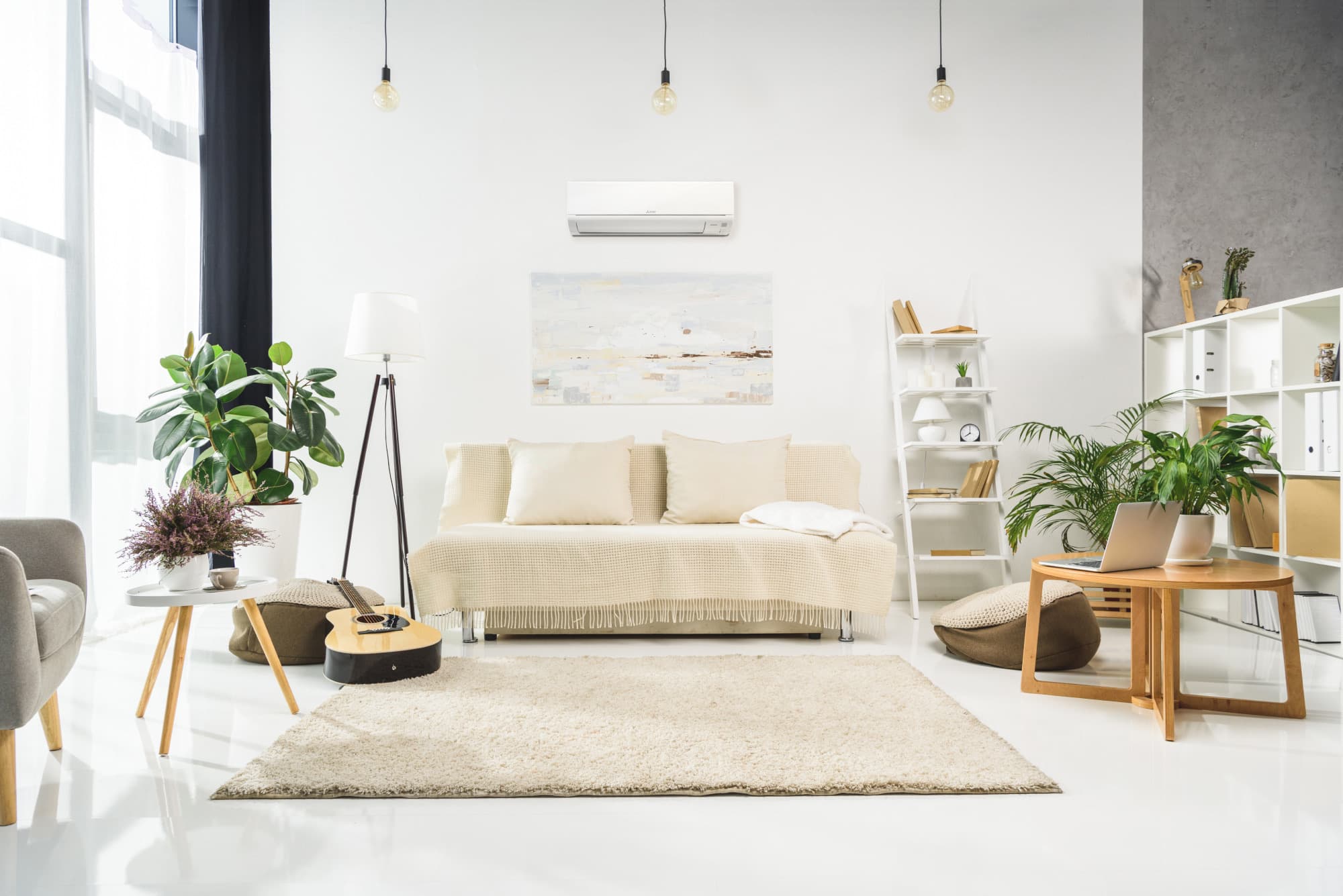
The three letters, one at a time
H — Heating
In NZ, residential heating is increasingly done with heat pumps — far more efficient than electric resistance heaters or gas. A single heat pump can heat one room; a multi-split or ducted system can heat the whole house. Heat pumps work surprisingly well even in cold Waikato winters that drop below zero, and modern inverter units don't cycle on and off the way old systems did.
V — Ventilation
Ventilation moves stale, moist, or polluted air out and brings fresh air in. Most older NZ homes ventilate by opening windows. Newer tightly insulated homes often need mechanical ventilation — heat-recovery systems like Mitsubishi Lossnay, or positive-pressure systems like HRV — because the airflow that used to happen naturally through draughty windows and roof spaces no longer does. Mould, condensation, and stale-air problems usually trace back to inadequate ventilation, not heating.
AC — Air Conditioning
In NZ, "air conditioning" and "heat pump" describe the same residential equipment. A modern heat pump is a reverse-cycle inverter air conditioner — it cools in summer (AC mode) and heats in winter (heat pump mode) using the same hardware. Whether someone calls it a heat pump or an AC is mostly a matter of which function they're emphasising. The unit itself does both.
What "HVAC" actually means in a NZ home
For most NZ residential properties, an HVAC system is one or more of:
- Wall-mounted heat pumps — the most common single-room option. One indoor unit, one outdoor condenser.
- Floor consoles — same as wall-mounted but installed low. Useful when wall space is limited or when replacing an old fireplace or night-store heater.
- Multi-split systems — one outdoor condenser running 2–5 indoor heads, useful when wiring up a few rooms but not the whole house.
- Ducted systems — the indoor unit lives in the ceiling cavity, ductwork carries conditioned air to grilles in each room. Whole-home, multi-zone, premium look.
- Ventilation systems — Mitsubishi Lossnay (heat-recovery) or HRV-style (positive pressure) for fresh air and humidity control.
- Smart controllers — like AirTouch, letting you zone and manage the whole system from your phone.
Do you need full HVAC or just a heat pump?
Most NZ homes do well with just heating and cooling — a heat pump or two, no separate mechanical ventilation. Open windows take care of fresh air most of the year, and older homes with their natural draughts manage humidity passively.
Adding mechanical ventilation makes a real difference in three cases:
- Newer well-insulated builds where natural airflow is minimal. Without ventilation, moisture builds up and you get condensation on windows and corner mould.
- Homes with persistent damp or mould — particularly bathrooms, kitchens, and bedrooms with poor airflow.
- Allergy or asthma sufferers — filtered ventilation reduces pollen, dust, and mould spores indoors.
Energy-efficient HVAC in NZ
The reason heat pumps dominate NZ HVAC is efficiency. A heat pump doesn't generate heat — it moves heat from outside to inside (or vice versa). For every 1 kWh of electricity it draws, a modern unit delivers 3–5 kWh of heating or cooling. That's a Coefficient of Performance (COP) of 3–5x, compared to 1x for electric resistance heaters.
Translation: heating with a heat pump costs about a third of the equivalent old-school electric heater, and a fraction of gas. That's why NZ government Healthy Homes Standards explicitly recommend them for rentals.
HVAC brands sold in NZ
The brands you see most often in NZ residential HVAC are Mitsubishi Electric, Daikin, Hitachi, Fujitsu, and Panasonic. They're the best-supported (parts, technicians, warranty) and the most reliable over a 10–15 year unit lifespan. We've reviewed how they compare in our heat pump brands compared guide.
Airmax is an authorised Mitsubishi Electric installer and installs all five major brands — meaning we don't have an axe to grind for one brand and we'll spec what's actually right for your home, not whatever has the highest margin.
Frequently asked questions
What does HVAC stand for?
HVAC stands for Heating, Ventilation, and Air Conditioning. It's the catch-all term for any system that controls indoor temperature and air quality. In NZ residential, that usually means heat pumps, ducted systems, ventilation gear like Lossnay or HRV, and the controllers that run them.
What's the difference between HVAC and a heat pump?
A heat pump is one type of HVAC system — specifically, one that handles both heating and cooling. HVAC is the broader category. A home with a heat pump has "HVAC". A home with a heat pump plus a Lossnay ventilation system has more comprehensive HVAC.
Do I need a full HVAC system in my NZ home?
Most NZ homes get away with just a heat pump (heating + cooling) and rely on opening windows for fresh-air ventilation. A full HVAC setup with mechanical ventilation makes a real difference in tightly insulated newer builds where natural airflow is poor, in homes with damp/mould issues, or where allergy filtration matters.
What's a residential HVAC system in NZ usually made of?
Typical NZ residential HVAC: one or more heat pumps for heating and cooling (high-wall, floor console, or fully ducted), optionally a heat-recovery ventilation system like Mitsubishi Lossnay, and smart controllers that let you manage everything from your phone.
How much does a residential HVAC system cost in NZ?
Single high-wall heat pump: $2,500–$4,500 installed. Multi-split system: $5,000–$8,000. Fully ducted system: $10,000–$20,000+ depending on size. Adding a Lossnay-style ventilation system: another $3,000–$6,000. Free quotes for any combination.
What's an HVAC unit?
"HVAC unit" usually refers to a single piece of HVAC equipment — most commonly the indoor or outdoor part of a heat pump. In a wall-mounted heat pump, the indoor unit is the wall-mounted bit and the outdoor unit is the condenser sitting outside. In a ducted system, the indoor unit is hidden in the ceiling cavity.
What HVAC brands are best in NZ?
Mitsubishi Electric, Daikin, Hitachi, Fujitsu, and Panasonic are the most reliable brands sold in NZ — well-supported with parts, long warranties, and technicians who know them. Airmax is an authorised Mitsubishi Electric installer and installs all five major brands.