A heat pump is a 12–15 year purchase. Get it right and you have a quiet, efficient, low-fuss unit you barely think about. Get it wrong — wrong size, wrong placement, wrong installer — and you've bought a decade of frustration. Here's the checklist to work through before signing any quote.
1. Get the sizing right
Sizing is the single most important spec. An undersized unit runs at full output constantly, costs more to run, and dies early. An oversized unit short-cycles, dehumidifies poorly, and feels uneven. Both fail at the basic job.
Quick guideline:
- Well-insulated modern home: ~0.1 kW heating per sqm
- Average insulation: ~0.13 kW heating per sqm
- Older draughty home: ~0.15 kW heating per sqm
Adjustments: high ceilings (× 1.2), large north-facing windows (× 1.1), open-plan continuous space (× 1.1). A proper installer will measure the room, check insulation, and adjust based on aspect and usage. Don't accept a quote that hasn't included a site visit.
2. Pick the right placement
Indoor unit:
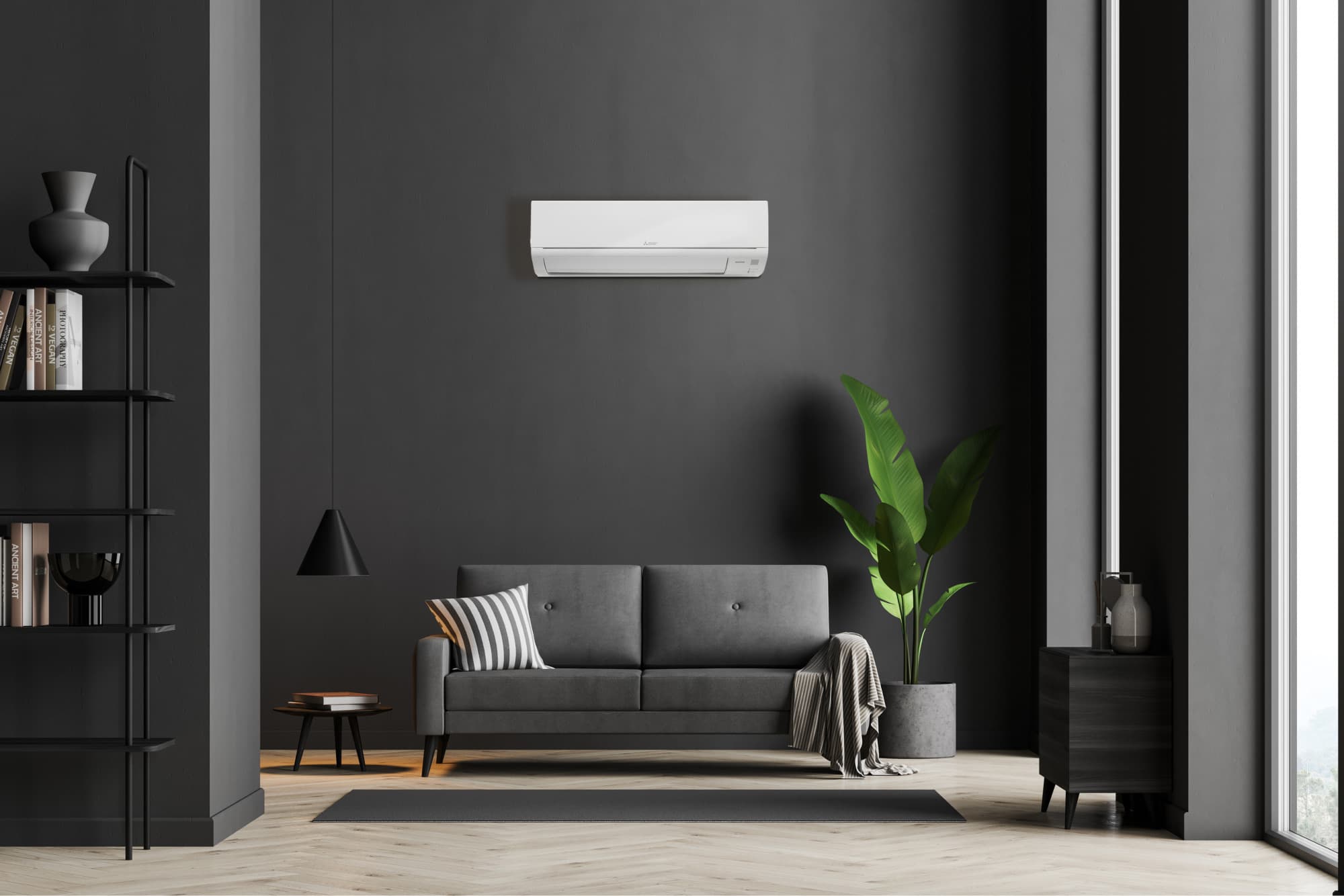
- High on a wall, central enough to circulate air around the room
- Away from direct sunlight (skews the temperature sensor)
- Not blocked by curtains, shelving, or decor
- Within reach of refrigerant pipework to the outdoor unit
Outdoor unit:
- Shaded if possible — direct sun reduces efficiency
- Free airflow on all sides
- Away from bedroom windows where the compressor noise might be annoying
- Considerate of neighbours' windows and outdoor spaces
3. Choose features worth paying for
- Inverter compressor: non-negotiable. Every modern unit has this — quieter, more efficient, longer-lasting than non-inverter units. If a quote doesn't specify inverter, walk away.
- Wi-Fi controller: built-in on most modern units, very low marginal cost. Pre-cool the house, monitor while away. Yes.
- Premium efficiency tier: COP 4.5+ is worth the ~$800–$1,500 premium for heavily-used units. For occasional-use installs (holiday homes), mid-range is usually fine.
- Air filtration: nice-to-have, especially if anyone has allergies or asthma. Not worth a brand switch on its own.
- Smart-zoning controllers (e.g. AirTouch): excellent for multi-split or ducted setups. Lets you genuinely manage zones from your phone. Worth it for whole-home installs.
4. Pick the right brand
Stick to the five major brands: Mitsubishi Electric, Daikin, Hitachi, Fujitsu, Panasonic. Off-brand units are rarely worth the savings once you factor in parts availability, technician network, and warranty terms over a 12-year ownership horizon. We've broken down the differences in our heat pump brands compared guide.
5. Pick the installer carefully
This is where most heat-pump regret happens. The unit is fine; the install was bad. Look for:
- Authorised by the brand they're installing (warranty support)
- In-house licensed refrigeration techs and electricians (no subcontractors)
- Written workmanship warranty (12 months minimum)
- Fixed quote after a free site visit (not estimate-only)
- Years in business + references nearby
- Provides commissioning documentation post-install
6. Questions to ask before signing
- What size are you specifying and why?
- What's the heating COP/SCOP at typical winter temperatures here?
- Are you authorised by this brand?
- Who does the install — your team or a subcontractor?
- What's the workmanship warranty length?
- Is the quote fixed, or estimate-only?
- Will I get written commissioning documentation?
- What's your standard service interval recommendation?
Frequently asked questions
What size heat pump do I need?
A rough rule of thumb: 0.1 kW of heating capacity per square metre for a well-insulated home, 0.15 kW/sqm for an older draughty home. So a 25 sqm bedroom in a modern Waikato house needs ~2.5 kW; the same bedroom in an older home needs ~3.5–4 kW. Don't trust the rule of thumb alone — a proper installer will measure rooms, check insulation, and pick the right unit.
What's the difference between heating capacity and cooling capacity?
Heat pumps are usually rated separately for both modes. The heating capacity (kW heat) is what matters most in NZ where heating is the dominant use. A unit rated 5.0 kW heating / 4.0 kW cooling will heat a slightly larger area than it cools — common spec for residential because heating demand is higher in NZ winters than cooling demand in summers.
Should I get a heat pump for every room?
Not necessarily. For most NZ homes, conditioning the main living area + master bedroom is enough — kids' bedrooms can run cooler in winter (some research shows it's healthier for sleep). If you want every room conditioned, ducted is usually better than 5+ separate splits.
Should I pick a Wi-Fi-enabled heat pump?
Yes — almost all modern heat pumps come with Wi-Fi built-in or as a low-cost option. Being able to pre-cool the house before you get home, or check it's running while you're away, is worth the small extra cost. For a few hundred dollars more you can also get smart controllers like AirTouch that handle multi-zone management.
How important is the installer vs the brand?
More important than people realise. A good installer can make a mid-tier brand last 15 years; a bad installer can kill a premium unit in 5. Sizing, placement, refrigerant charge, electrical work, commissioning — all of these affect long-term performance more than the badge on the unit. Pick an authorised installer with a long track record before agonising over brand.
What questions should I ask a heat pump installer?
What size are you specifying and why? What's the heating COP/SCOP at the operating temperature for my area? Is this brand authorised at your business? Who does the install — your team or a subcontractor? What's the workmanship warranty? Is the quote fixed, or estimate-only? Will you provide written commissioning documentation?