Every "best heat pumps NZ" list reads like a press release. We install these units every week and service them for years afterward, so here's what we actually think. No affiliate links, no sponsored picks - just the models we'd put in our own homes, broken down by what you're looking for.
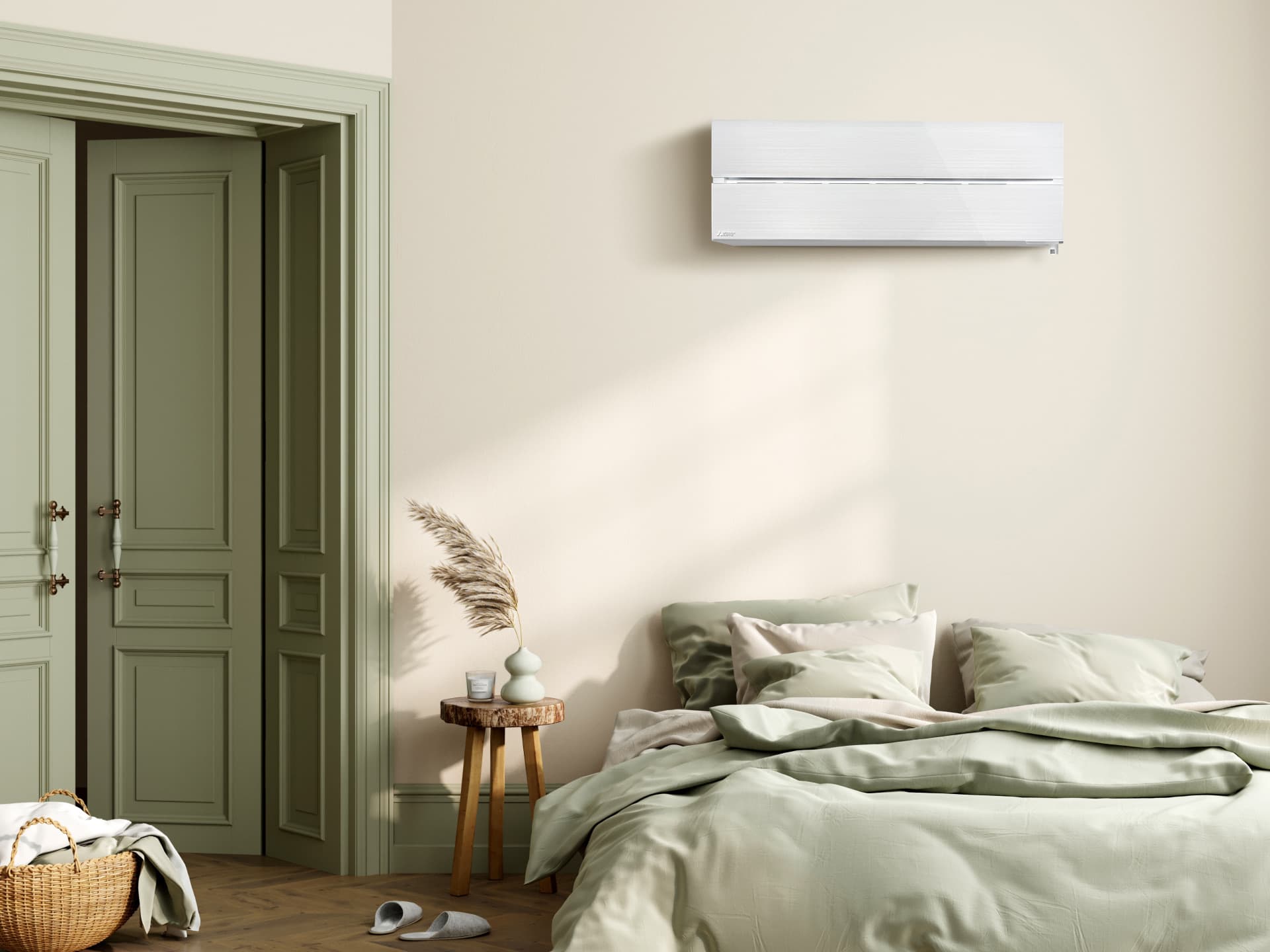
1. Best overall: Mitsubishi Electric AP Series
The AP Series is the unit we install more than any other, and for good reason. It hits the sweet spot between price, performance, and long-term reliability that most NZ homeowners are looking for.
- Capacity range: 2.5 kW to 8.0 kW (covers bedrooms through to large living areas)
- Efficiency: COP around 4.0-4.5 depending on model size - solid mid-to-high range
- Wi-Fi: built-in via MELCloud app
- Noise: 19 dB(A) on the smallest models - genuinely quiet
Why we like it: Mitsubishi Electric has the strongest service network in NZ, and the AP Series has been refined over many generations. Parts are readily available. It handles Waikato winters without drama. The build quality is consistently good across the whole range.
The trade-off:It's not the cheapest option and not the most efficient. If you're on a strict budget or chasing maximum efficiency, there are better choices in those specific categories. But as an all-rounder, it's hard to beat.
2. Best budget: Daikin Cora
The Daikin Cora is the best value heat pump you can buy from a major brand in NZ right now. It does everything a bedroom or smaller living room needs without the premium price tag.
- Capacity range: 2.0 kW to 7.1 kW
- Efficiency: COP around 3.8-4.2 - good for the price point
- Wi-Fi: available as an add-on module
- Noise: 20-22 dB(A) - quiet enough for bedrooms
Why we like it:Daikin is a massive global manufacturer with excellent NZ support. The Cora range is their bread-and-butter residential line and it's well-proven. For a spare bedroom or a rental property, it's the smart pick - reliable, efficient enough, and hundreds less than the premium options.
The trade-off: Build quality feels a step below the Mitsubishi AP at the same capacity. The plastic is thinner, the louvres feel less solid. Wi-Fi is an extra cost rather than built-in. None of this matters functionally, but you can feel the cost saving when you handle the unit.
3. Best premium: Hitachi S Series
If efficiency and build quality are your top priorities and you're willing to pay for them, the Hitachi S Series is the one to look at. This is the unit engineers get excited about.
- Capacity range: 2.5 kW to 8.0 kW
- Efficiency: COP 4.5-5.2 - top of the residential market
- Wi-Fi: built-in via airCloud Home app
- Noise: 18-20 dB(A) - exceptionally quiet
Why we like it:The FrostWash self-cleaning system genuinely works. The efficiency numbers are not just lab figures - you see them on the power bill. The compressor technology is a step ahead of most competitors. For a main living area that runs 6+ hours a day through winter, the extra efficiency pays back over the unit's lifetime.
The trade-off:It costs $800-$1,500 more than an equivalent-capacity AP Series or Cora. The payback period on the efficiency premium is 5-8 years for a heavily used unit, longer for occasional use. The Hitachi service network in NZ is smaller than Mitsubishi Electric's or Daikin's - though it's growing.
4. Best for large rooms: Mitsubishi Electric GS/GE Series
When you need serious heating capacity for a large open-plan living area (40+ sqm), the Mitsubishi Electric GS and GE Series deliver the goods.
- Capacity range: 5.0 kW to 8.0 kW (GS) / up to 10.0 kW (GE)
- Efficiency: COP 3.8-4.2 - respectable for high-capacity units
- Airflow: long throw distance to reach far corners of large spaces
- Wi-Fi: built-in via MELCloud
Why we like it:Large-capacity wall-mounted heat pumps are a specific engineering challenge - you need strong airflow without excessive noise. The GS/GE range manages this well. Mitsubishi Electric's track record with these bigger units is strong and parts availability is excellent.
The trade-off:At 7.1 kW and above, the indoor unit is physically larger and more visible. The efficiency (COP) drops compared to the smaller AP Series models - that's physics, not bad engineering. For very large spaces (60+ sqm), consider whether ducted or a multi-split system might distribute air more evenly.
5. Best floor console: Fujitsu ASTG Series
Floor consoles sit low on the wall or on the floor, making them ideal for rooms with limited wall space, large windows, or where you want heat delivered at a lower level. Fujitsu does this format better than most.
- Capacity range: 2.5 kW to 5.4 kW
- Efficiency: COP around 3.8-4.0
- Design: compact, low-profile - sits under a window like a panel heater
- Heating pattern: warm air rises from floor level, which many people find more comfortable than top-down from a wall unit
Why we like it: In older NZ homes with low windows and limited high-wall space, a floor console is sometimes the only practical option. The Fujitsu units are well-built, quiet, and the bottom-up heating pattern works well in bedrooms. Good for replacing old gas heaters or night stores where the flue/recess is at floor level.
The trade-off:Floor consoles are generally slightly less efficient than wall-mounted units at the same capacity. The range tops out at 5.4 kW, so they're not suitable for very large rooms. They also collect more dust at floor level and need more frequent filter cleaning.
6. Best ducted: Daikin US7 Ducted
For whole-home heating and cooling through ceiling ducts, the Daikin US7 ducted range is the standout in 2026. Paired with a zone controller, it handles a full house from a single system.
- Capacity range: 7.1 kW to 14.0 kW
- Efficiency: COP around 3.8-4.2 - excellent for a ducted system
- Zoning: works with AirTouch and other zone controllers for room-by-room management
- Noise: the indoor fan unit sits in the ceiling space, so noise in the room is minimal
Why we like it:The US7 runs quietly, the efficiency is strong for a ducted system (ducted systems are inherently less efficient than splits due to duct losses), and Daikin's ducted range has been solid for years. With proper zoning you only condition the rooms you're using, which keeps running costs reasonable.
The trade-off: Ducted installation costs $8,000-$18,000+ depending on the house, significantly more than individual splits. You need adequate ceiling space for ductwork. If the system fails, the whole house goes without. Read our ducted vs split comparison to decide which approach suits your situation.
7. Honourable mentions
A few other models worth knowing about:
- Panasonic Z Series:excellent efficiency (COP 4.5+), compact design, and Panasonic's nanoe X air purification is genuinely useful for allergy sufferers. Slightly smaller service network than Mitsubishi Electric or Daikin in the Waikato, but the units themselves are very good.
- Mitsubishi Electric EF/LN Series: the designer range. Comes in black, white, and silver with a flat panel design. Same internals as the AP Series but in a sleeker housing. Worth the premium if aesthetics matter to you - especially in open-plan living areas where the unit is visible.
- Hitachi RAS-E Series: a good mid-range option from Hitachi that sits below the S Series. FrostWash self-cleaning, decent efficiency, and more affordable than the flagship. A solid all-rounder if you like the Hitachi ecosystem.
- Fujitsu ASTG (wall-mounted):Fujitsu's standard wall split. Reliable, well-priced, good NZ support. Not flashy but does the job. A reasonable alternative to the Daikin Cora in the budget category.
8. What we'd avoid
We're not going to name specific brands to avoid, but here's the pattern to watch for:
- Brands with no NZ parts supply: when something breaks in year 7, you need a replacement PCB board or fan motor within days, not weeks of international shipping.
- Suspiciously cheap installed prices: if a 2.5 kW unit is being offered fully installed for under $1,800, question the brand, the installer, or both.
- Units sold without professional sizing: buying a heat pump off the shelf and hiring a random installer is how most heat pump regret happens.
Stick with the five major brands (Mitsubishi Electric, Daikin, Hitachi, Fujitsu, Panasonic) and a qualified installer, and you'll be fine. The differences between these brands are smaller than the difference between a good install and a bad one.
Frequently asked questions
What is the best heat pump brand in NZ?
There is no single best brand - it depends on your priorities. Mitsubishi Electric leads on reliability and service network, Daikin on consistent mid-range value, and Hitachi on premium efficiency. All five major brands (Mitsubishi Electric, Daikin, Hitachi, Fujitsu, Panasonic) make good units. The installer matters as much as the badge.
Are cheap heat pumps worth it in NZ?
Budget heat pumps from the five major brands are absolutely worth it for bedrooms and smaller rooms. Units like the Mitsubishi Electric AP Series and Daikin Cora deliver solid performance at reasonable prices. Avoid no-name brands though - parts availability and warranty support become problems within a few years.
Which heat pump is most efficient in NZ?
The Hitachi S Series and Mitsubishi Electric EF/LN Series consistently top the efficiency charts with SCOP ratings above 5.0. In real-world terms, that means for every $1 of electricity you get over $5 worth of heating. Whether the premium price is worth it depends on how heavily you use the unit.
How long do heat pumps last in New Zealand?
A quality heat pump from a major brand, properly installed and regularly serviced, should last 12-15 years in NZ conditions. Some last 20 years. The main factors are installation quality, whether it was correctly sized, and how consistently it gets cleaned and serviced. Coastal salt air reduces lifespan without proper coatings.
Should I buy a heat pump from a big box store?
Buying a heat pump from a retail store means choosing the unit yourself without professional sizing, and often getting a subcontracted installer you did not choose. Most HVAC professionals recommend buying supply-and-install from a specialist - you get proper sizing, a single point of accountability, and usually better warranty support.
What heat pump is best for a large open-plan living area?
For large open-plan spaces over 40 sqm, the Mitsubishi Electric GS/GE Series (7.1 kW+), Daikin US7 (7.1 kW), and Hitachi S Series in the larger capacities are all strong choices. At this room size, correct sizing and placement matter more than brand choice - get an installer to assess the space before committing.