Mitsubishi Electric and Daikin are the two most popular heat pump brands in New Zealand, and for good reason - both are genuinely excellent. Airmax is an authorised Mitsubishi Electric installer, but we install Daikin regularly too. This is our honest take on how they compare, based on years of installing and servicing both across the Waikato.
Model ranges at a glance
Both brands offer a full lineup from entry-level through to premium. Here is how the ranges stack up.
Mitsubishi Electric high-wall range:
- MSZ-AP Classic: entry-level, good value, solid reliability. Available 2.0-7.1 kW
- MSZ-AP Series: mid-range workhorse with Wi-Fi control, improved filters, quieter operation. The most-installed Mitsubishi model in NZ
- EcoCore Designer: premium efficiency with R32 refrigerant and a clean aesthetic
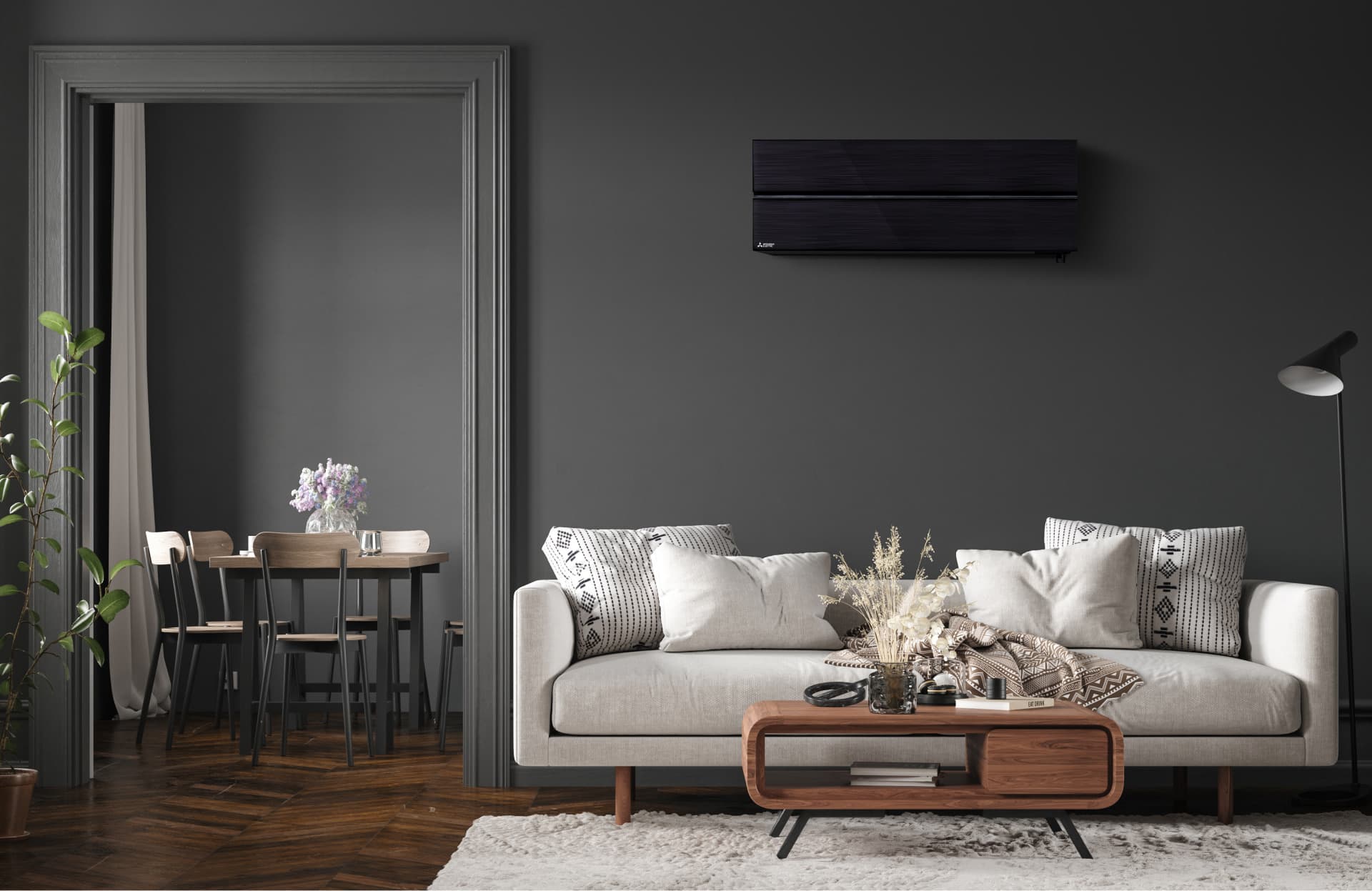
- LN Series: top-end designer unit in multiple colours, ultra-quiet, highest efficiency ratings
Daikin high-wall range:
- Cora Series:Daikin's volume seller and direct competitor to the MSZ-AP. Available 2.0-7.1 kW with built-in Wi-Fi
- Lite Series: budget-friendly option for simpler installs and rental properties
- US7: premium model with superior air purification and humidity control
- Zena: designer floor-standing or wall-mounted unit with a distinctive look
Pricing comparison
Pricing varies by installer and region, but these are typical installed price ranges for the Waikato in 2026.
| Category | Mitsubishi Electric | Daikin |
|---|---|---|
| Small room (2.0-2.5 kW) | $2,800-$3,400 | $2,500-$3,200 |
| Medium room (3.5 kW) | $3,200-$4,000 | $3,000-$3,800 |
| Large room (5.0-6.0 kW) | $4,000-$5,200 | $3,800-$5,000 |
| Premium/designer | $4,500-$6,500 | $4,200-$6,000 |
Daikin is consistently $200-$500 cheaper at the mid-range level. At the premium end, the gap shrinks and sometimes reverses. Both brands cost more when the install is complex - longer pipe runs, difficult access, or electrical upgrades push the price up regardless of brand.
Warranty terms
Both brands offer a standard 5-year parts and labour warranty when installed by a qualified installer. The key differences are in the fine print.
- Mitsubishi Electric: 5-year warranty. Must be installed by a registered installer and the unit registered online within 60 days. Their authorised dealer network in NZ is the largest, which means warranty service is generally faster, especially in regional areas like the Waikato
- Daikin:5-year warranty on most models. Registration process is similar. Daikin's NZ service network has grown significantly and is strong in urban areas. In some rural parts of NZ, finding a Daikin-authorised technician can take slightly longer than Mitsubishi
Noise levels
Noise matters, especially for bedrooms and open-plan living. Both brands are quiet by modern standards.
- Mitsubishi MSZ-AP: 19 dBA on quiet mode. Virtually silent
- Mitsubishi LN Series: 18-19 dBA. The quietest in their range
- Daikin Cora: 19-20 dBA on quiet mode. Comparable to the MSZ-AP
- Daikin US7: 19 dBA. Premium quiet operation
The outdoor units tell a similar story - both brands produce around 46-50 dBA from the outdoor compressor at normal load. This is compliant with most NZ council noise rules for residential boundaries.
Energy efficiency
Efficiency is measured by COP (Coefficient of Performance) for heating and EER for cooling. Higher numbers mean lower power bills. Both brands perform well.
| Model | COP (heating) | EER (cooling) | Star rating |
|---|---|---|---|
| Mitsubishi MSZ-AP25 (2.5 kW) | 4.6 | 4.2 | 6 star |
| Daikin Cora FTXV25 (2.5 kW) | 4.7 | 4.3 | 6 star |
| Mitsubishi MSZ-AP50 (5.0 kW) | 4.1 | 3.6 | 5 star |
| Daikin Cora FTXV50 (5.0 kW) | 4.0 | 3.7 | 5 star |
The differences are marginal. A 0.1-0.2 COP difference translates to maybe $10-$20 per year on your power bill. Correct sizing, good insulation, and proper installation will save you far more than choosing one brand over the other on efficiency alone.
Wi-Fi and smart features
Both brands have moved to include Wi-Fi control across their ranges, though the approach differs.
- Mitsubishi Electric: Wi-Fi is built into the MSZ-AP series and above. The MELCloud app is functional but not the slickest interface. Works with home automation systems. Older models need an add-on Wi-Fi adapter (~$200)
- Daikin: built-in Wi-Fi on the Cora and above. The Daikin Mobile Controller app is polished and well-designed. Good smart-home integration. Daikin has generally been ahead on app quality and user experience
Build quality and reliability
This is where both brands genuinely earn their reputation. We service units from both brands that are 12-15 years old and still running well.
Mitsubishi Electric builds feel slightly more robust in the hand - the plastic housings are thicker, the indoor unit panels clip more solidly. Daikin units are well-made but use slightly thinner materials on some mid-range models. In practice, both last the same amount of time with proper servicing.
Compressor quality is comparable. Both brands use their own compressors (not outsourced), which gives them better quality control than some competitors. Failure rates on both are very low when installed correctly.
Parts availability in NZ
This is one area where Mitsubishi Electric has a genuine edge. Their parts distribution network in NZ is the most established of any brand. Common parts like control boards, fan motors, and filters are typically available within 1-2 business days anywhere in the country.
Daikin parts availability is good in major centres and has improved significantly over the past few years. In more remote parts of NZ, parts can occasionally take a few days longer to arrive. For the Waikato specifically, both brands have good parts access through Hamilton-based distributors.
Which brand for which situation
Rather than declaring a winner, here is our honest take on which brand suits which situation.
Choose Mitsubishi Electric if:
- You want the widest installer and service network in NZ
- You are in a rural or semi-rural area where parts access matters
- You want a premium designer unit (LN Series is hard to beat on aesthetics)
- You are investing in a ducted system (PEA Splittable is the benchmark)
Choose Daikin if:
- You want slightly better pricing at the mid-range
- You value a polished app and smart-home integration
- You are doing a multi-split system (Daikin's multi-split range is very strong)
- You want a floor-standing designer option (Zena)
Either brand works well if:
- You are in an urban area with good service access for both
- You are installing a standard high-wall unit in a typical NZ home
- You are prioritising reliability and long-term performance over specific features
Frequently asked questions
Is Mitsubishi Electric better than Daikin in NZ?
Neither brand is universally better - both are top-tier heat pump manufacturers with excellent reliability records in New Zealand. Mitsubishi Electric has a wider installer and parts network across NZ, while Daikin often edges ahead on pricing and multi-split flexibility. Your choice should come down to which brand suits your specific room, budget, and feature priorities rather than brand loyalty.
Are Daikin heat pumps cheaper than Mitsubishi?
Daikin is typically $200-$500 cheaper than the equivalent Mitsubishi Electric model at the mid-range level. At the premium end, the gap narrows or reverses depending on the specific models being compared. Installed prices vary by region and installer, so always get quotes for both brands on the same job.
Which brand is quieter - Mitsubishi or Daikin?
Both brands achieve very low noise levels on their premium models - around 19-21 dBA on quiet mode. Mitsubishi Electric's MSZ-AP series and Daikin's Cora series are comparable in real-world noise. At the premium end, Mitsubishi's LN Series is marginally quieter in independent testing, but the difference is barely perceptible in a normal room.
Which brand has better warranty in NZ?
Both offer 5-year manufacturer warranties on parts and labour when installed by an authorised dealer. Mitsubishi Electric's authorised dealer network is larger in NZ, which can mean easier warranty claims in rural areas. Daikin's warranty support is strong in urban centres. Extended warranties to 6 or 7 years are sometimes available through specific installers.
Can Airmax install both Mitsubishi and Daikin?
Yes - Airmax is an authorised Mitsubishi Electric installer and also installs Daikin across the Waikato. We recommend the brand that best fits your specific job rather than defaulting to one. If Daikin suits your room and budget better, that is what we will quote.
Which brand is more energy efficient?
Both brands achieve similar efficiency ratings across their ranges. Daikin invented the inverter heat pump and often has a marginal edge in published COP figures at the mid-range. Mitsubishi Electric's EcoCore technology is competitive at the premium end. In practice, correct sizing and quality installation affect your power bill far more than a 0.1-0.2 COP difference between brands.