New Zealand has a dampness problem. Cold, poorly insulated homes trap moisture from cooking, showering, breathing, and drying clothes indoors. The result is condensation on windows, mould on walls, musty smells, and health issues - particularly for children and anyone with respiratory conditions. A heat pump warms the air, but ventilation is what actually removes the moisture. Here's how to fix a damp home properly.
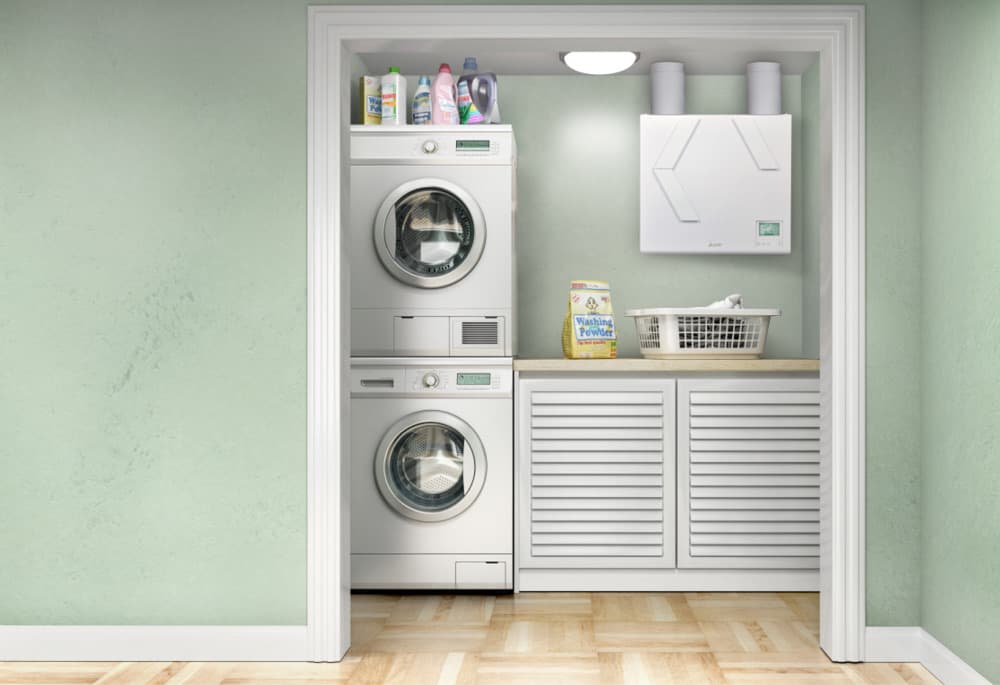
1. Why NZ homes are so prone to dampness
It's not just the climate. NZ has specific housing factors that make dampness worse than it needs to be:
- Poor insulation: many homes built before 2008 have minimal or no insulation in walls. Cold surfaces are where moisture condenses
- Single glazing: still common in older homes. Single-pane glass is the coldest surface in the room and attracts condensation first
- Unheated rooms: many NZ homes only heat one or two rooms. The unheated bedrooms and bathrooms stay cold and damp
- Indoor moisture sources: a family of four produces 10-15 litres of moisture per day from breathing, cooking, showering, and drying laundry. That moisture has to go somewhere
- Lack of ventilation: modern draught-proofing and retrofitted insulation actually make dampness worse if you seal the house up without adding controlled ventilation
2. How ventilation solves dampness
The principle is simple: replace moist indoor air with drier outdoor or roof-cavity air. Even on a rainy Waikato winter day, the air outside typically has less moisture than the air trapped inside a lived-in home.
Mechanical ventilation does this at a controlled rate - enough to remove excess moisture without dumping all the heat your heat pump just produced. The result is drier air, warmer-feeling surfaces, no condensation, and no mould.
3. Types of ventilation systems
Positive pressure ventilation
The most common type in NZ homes. A fan unit in the ceiling draws air from the roof cavity (which is warmer and drier than outside in winter due to solar gain) and pushes it into the house through ceiling vents. This creates slight positive pressure, which pushes stale damp air out through natural gaps and openings. Brands like SmartVent and DVS are the main players. Cost-effective, simple to install, and effective for moderate dampness.
Balanced ventilation (ERV/HRV)
The premium option. A balanced system simultaneously extracts stale air from wet rooms (kitchen, bathroom, laundry) and supplies fresh filtered air to living areas and bedrooms. The key is the heat exchanger core - it transfers 70-85% of the heat from outgoing air to incoming air, so you're not wasting energy. ERV (Energy Recovery Ventilator) units also transfer some moisture, which helps prevent the air from getting too dry.
The Mitsubishi Electric Lossnay is the standout in this category. It's a true ERV that recovers both heat and moisture, runs quietly, and integrates well with Mitsubishi heat pump systems. We install Lossnay units across the Waikato as an authorised Mitsubishi Electric dealer - it's the system we recommend for homes with serious dampness or for new builds where you want to get ventilation right from day one.
Extract fans
Bathroom and kitchen extract fans remove moisture at the source. They're essential but not sufficient on their own for a whole-house dampness problem. Every bathroom should have one - ideally a continuous-running low-speed fan rather than a noisy switched fan that nobody bothers to turn on.
Which type suits your home?
- Moderate condensation, standard home: positive pressure system - good results at the lowest cost
- Severe dampness, mould issues, health concerns: balanced ERV/HRV (Lossnay) - the most thorough solution
- New build: balanced system ducted in during construction - much cheaper to install at build stage
- Rental property: positive pressure plus good extract fans in bathrooms - cost-effective and meets Healthy Homes standards
4. How ventilation works alongside heat pumps
A heat pump and ventilation system are not competing - they solve different halves of the comfort equation:
- Heat pump: controls temperature. Warms the air, which helps surfaces stay above the dew point and reduces condensation
- Ventilation: controls moisture. Replaces damp air with drier air, removing the source of the problem
Running both together is the most effective approach. The heat pump keeps the house warm so surfaces don't get cold enough to attract condensation. The ventilation system removes excess moisture so there's less moisture available to condense in the first place. Many Waikato homes we visit have a heat pump doing a great job of heating but still get condensation because there's no ventilation - the heat pump can't dehumidify fast enough on its own.
5. Signs your home needs ventilation
If you recognise two or more of these, ventilation will make a measurable difference:
- Condensation on windows in the morning - water pooling on sills
- Visible mould on walls, ceilings, or in wardrobe corners
- Musty or damp smell when you walk in the door
- Paint peeling or wallpaper bubbling on external walls
- Clothes in wardrobes feeling damp or developing mildew
- Family members with persistent coughs, asthma flare-ups, or allergies that improve when away from home
- You dry laundry indoors regularly (a single load of washing releases up to 5 litres of water into the air)
6. Health impacts of a damp home
This isn't just about comfort. Research consistently links damp housing to serious health outcomes:
- Mould spores: trigger and worsen asthma, cause allergic reactions, and can lead to chronic respiratory conditions
- Dust mites: thrive in humid environments above 65% relative humidity - a major allergen for many people
- Children: BRANZ research shows NZ children in damp homes have significantly higher rates of respiratory illness and school absence
- Structural damage: persistent dampness rots timber framing, degrades insulation, and causes long-term damage to the building envelope
The Healthy Homes Standards now require rental properties to have adequate ventilation. But owner-occupied homes have no such requirement - it's up to you to fix it.
7. Costs and what to expect from an install
Ventilation system pricing for a typical 3-bedroom Waikato home:
- Positive pressure system: $2,500-$4,500 installed. Half-day install. Minimal disruption
- Balanced ERV/HRV (e.g. Lossnay): $4,000-$7,000 installed. One to two day install depending on ductwork
- Bathroom extract fans (per unit): $300-$800 installed
- Running costs: $50-$150 per year in electricity for any type - very low
What the install involves:
- Site assessment to determine the right system and vent placement
- Fan unit installed in the ceiling cavity (usually above the hallway)
- Ceiling diffusers fitted in key rooms - small, discreet grilles
- Ductwork run through the ceiling space to each room
- Controller mounted on the wall (or app-based for smart systems)
- Commissioning and airflow balancing to make sure each room gets the right amount of fresh air
Most homeowners notice a difference within the first week - less condensation on windows, fresher air, and that damp smell gone.
Frequently asked questions
Does a heat pump fix dampness on its own?
A heat pump helps by warming the air, which increases its moisture-carrying capacity and reduces condensation on cold surfaces. But it doesn't remove moisture from the house - it just moves it around. If you're generating moisture from cooking, showering, and breathing, that moisture stays inside unless you ventilate it out. A heat pump plus ventilation is the combination that actually solves dampness.
What is the best ventilation system for a NZ home?
It depends on your home. Positive pressure systems (like SmartVent) are the most affordable and suit many standard NZ homes. Balanced ventilation (ERV/HRV like Mitsubishi Lossnay) is more effective and energy-efficient because it recovers heat from outgoing air, but costs more upfront. For most Waikato homes with moderate dampness, positive pressure is a good starting point. For severe condensation or new builds, balanced systems are worth the investment.
How much does a home ventilation system cost in NZ?
A positive pressure ventilation system typically costs $2,500-$4,500 installed for a standard 3-bedroom home. A balanced system (ERV/HRV) like a Mitsubishi Lossnay runs $4,000-$7,000 installed depending on the number of rooms and ductwork required. Extract-only bathroom fans are $300-$800 each installed. Running costs for all types are low - typically $50-$150 per year in electricity.
Will ventilation make my house colder?
Positive pressure systems draw air from the roof cavity, which is often warmer than outside in winter (solar gain on the roof). So they introduce slightly warmed, drier air. Balanced systems like ERV/HRV units recover 70-85% of the heat from outgoing stale air and transfer it to incoming fresh air. Neither type should make a well-heated home noticeably colder. Running ventilation alongside your heat pump is the best approach.
How do I know if my house needs ventilation?
Condensation on windows in the morning is the clearest sign - if you're wiping water off glass regularly, your home has a moisture problem. Other signs include musty smells, visible mould on walls or ceilings (especially in corners), damp or cold feeling walls, peeling paint, and respiratory symptoms that improve when you leave the house. If you tick two or more of these, ventilation will make a real difference.
Can I just open windows instead of installing ventilation?
Opening windows does ventilate, but it's unreliable and wasteful. You lose all the heat your heat pump just produced, you can't do it overnight or when you're away, and in winter most people simply don't open windows enough. A mechanical ventilation system runs continuously at a controlled rate, doesn't lose significant heat (especially balanced systems), and works 24/7 without you thinking about it.